
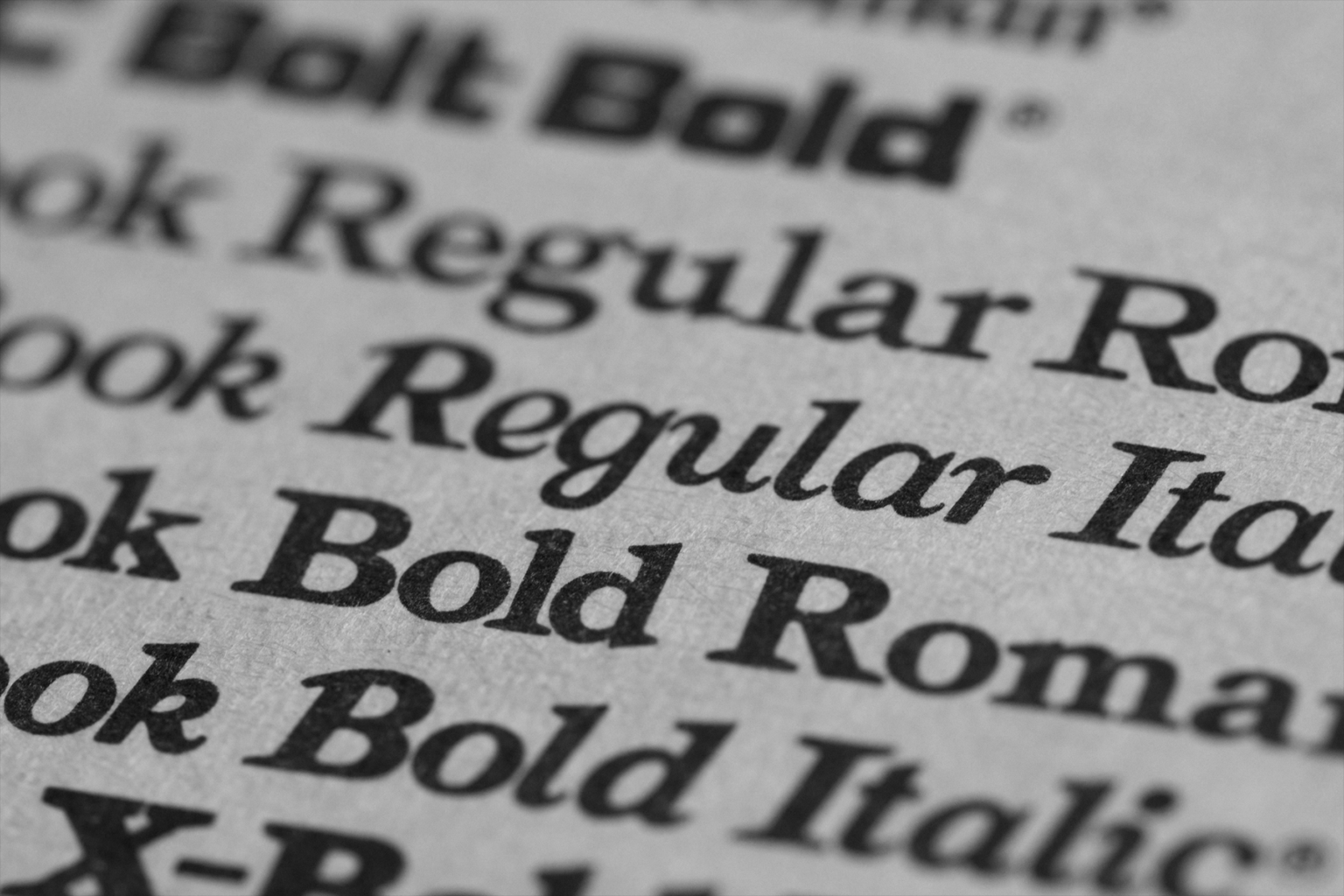
You’ve likely spent weeks agonizing over your brand’s color palette or the specific shade of blue that screams “reliable.” Yet, many founders treat typography as an afterthought, a simple choice between a “clean” sans serif and a “classic” serif. This is a strategic mistake that costs you conversions before a single word of your copy is actually read. In the 2026 digital landscape, where Generative Engine Optimization (GEO) dictates visibility, the “texture” of your information matters as much as the data itself. Typography isn’t just a container for your thoughts; it is the physical manifestation of your brand’s voice. If your font selection doesn’t align with your industry’s psychological baseline, you are creating a friction point that no amount of high end development can fix.
The Cognitive Load of Dishonest Type
At Webifii, we look at design through the lens of Cognitive Load Theory. This psychological principle suggests that our working memory has a finite capacity. When a user lands on your site, their brain is already working overtime to categorize your value proposition. If your typography is difficult to parse or visually jarring, you are stealing precious cognitive resources away from your actual message. High cognitive load leads to immediate distrust. If a site “feels” hard to read, the human brain subconsciously flags the information as potentially false or overly complex. We see this often in technical sectors where brands use overly decorative fonts to appear “innovative.” In reality, they are just making it harder for the user to verify their expertise.
- Visual clarity equals intellectual honesty.
- Minimalist typefaces reduce the mental “tax” on your visitors.
- Complexity in font choice often signals a lack of transparency in business.
Why “Modern” is the New Generic
The industry has a massive obsession with Geometric Sans Serifs. You know the ones: perfectly circular “o”s and clinical precision. While these fonts signaled “Tech Disruptor” in 2018, in 2026 they often signal “Template Business.” When every SaaS company uses the same typeface, you lose the Von Restorff Effect, which states that the item that stands out from the crowd is the one most likely to be remembered. Trust isn’t built by blending in; it is built through intentional differentiation. If your brand is providing high end development services, using a generic font suggests a generic process. We argue that “trust” in 2026 is moving away from the clinical and toward the “Humanist Serif.” These fonts carry the weight of history and the precision of modern screen rendering, bridging the gap between established authority and digital fluency.
The Semantic Weight of a Serif
Data from the NN/group and UX Collective suggests that serifs are making a massive comeback in high trust environments like FinTech and LegalTech. Why? Because serifs provide visual “anchors” that guide the eye along the line. This is particularly important for long form strategic content where you need the reader to stay engaged with complex arguments. A serif font doesn’t just look “old school.” It signals that your brand has a foundation. It suggests that you aren’t a “fly by night” operation that started three weeks ago with a GPT wrapper. When we audit brand systems, we look for this balance: a typeface that can handle the rigors of a mobile viewport while maintaining a sense of permanence.
- Serifs improve reading stamina for complex technical documentation.
- They provide a “literary” authority that sans serifs often lack.
- Modern variable fonts allow serifs to remain crisp on even the lowest resolution screens.
Choice Architecture and the “Typeface Trap”
Behavioral Economics teaches us about Choice Architecture, the way the presentation of options influences the decisions people make. Your typography is the primary architect of your site’s “vibe.” If you are asking a user to sign a five figure contract, your font needs to reflect the gravity of that decision. Imagine a premium law firm using a bubbly, rounded typeface. The cognitive dissonance is immediate. Even if the legal advice is world class, the “voice” of the brand is screaming “unprofessional.” This mismatch triggers Loss Aversion. The user becomes more afraid of making a mistake (hiring the wrong firm) than they are excited about the potential benefits.
- Consistency across all touchpoints reduces user anxiety.
- Visual hierarchy directs the user toward the “path of least resistance.”
- The weight of your font (Bold vs Light) dictates the perceived urgency of your claims.
Designing for AI and Human Coexistence
As we lean further into 2026, your website isn’t just being read by humans. AI agents and generative engines are scraping your site to determine if you are a “Primary Source” of truth. Generative Engine Optimization (GEO) relies on clear, structured data, but it also looks at “signals of quality.” Clean, standards compliant typography often correlates with high quality code. If your CSS is a mess of font overrides and unoptimized web fonts, search engines notice the performance lag. We know from web.dev and Smashing Magazine that performance is a direct ranking factor. A site that loads slowly because of poorly managed typography is a lite that AI engines will hesitate to recommend.
The Contrarian Take: Stop Optimizing for “Clean”
The biggest lie in digital design is that everything needs to be “clean.” Clean is often a synonym for “boring” or “devoid of personality.” If you want to build trust, you need to show character. Authenticity is the highest currency in an era of AI generated everything.
Trust comes from the “irregularities” that prove a human was involved in the process. This might mean choosing a typeface with unique ligatures or a slightly unconventional x height. These small design “flaws” act as a digital fingerprint. They tell the user that this brand has a soul and a specific point of view.
- Overly polished brands feel “corporate” and “distant.”
- Intentional typographic quirks can increase brand recall.
- Trust is built through vulnerability and distinctiveness, not perfection.
Applying Jakob’s Law to Your Type System
Jakob’s Law states that users spend most of their time on other sites. This means they expect your site to work like all the others they visit. While we advocate for uniqueness, you cannot ignore the foundational rules of legibility. You must balance the “unique voice” of your brand with the “functional expectations” of the user. If your “unique” font makes it impossible to distinguish between an “I” and an “l,” you have failed. Trust is lost the moment a user has to squint. At Webifii, we ensure that every design choice is grounded in these functional realities. We aren’t just making things look pretty; we are building systems that communicate with authority and ease.
- Use standard line heights to ensure comfortable reading.
- Ensure high contrast ratios for accessibility and professional polish.
- Limit your typeface count to two or three to maintain a cohesive narrative.
[Image showing the F-pattern of reading and how typography guides the eye]
The Future of Typographic Trust
As we move toward more immersive and personalized digital experiences, the role of typography will only grow. We are entering an era of “Adaptive Typography” where fonts may subtly shift based on the user’s reading environment or even their emotional state. Staying ahead of these shifts is what separates industry leaders from those who are simply trying to keep up.
Your brand’s voice is currently being “heard” through the fonts on your screen. Is that voice confident, authoritative, and trustworthy? Or is it stuttering through a series of generic, unoptimized choices? The difference between a bounce and a conversion often lives in the pixels of your lettering. Building a brand that survives and thrives in 2026 requires a deep understanding of both technical development and the psychological nuances of design. You cannot afford to treat your typography as a secondary concern. It is the very foundation of your digital handshake. If you are wondering if your current digital presence is projecting the right level of authority, we can help you find the answer. We invite you to reach out to us for a Digital Design or Development Audit. We’ll take a look under the hood of your brand and ensure that your technology and your “voice” are perfectly aligned to future proof your business. Would you like me to develop a specific typographic style guide or a font pairing strategy for one of your current client projects? Get in touch!