Let us be honest with you. Most local lead generation advice on the internet is recycled from 2019, dressed up with new screenshots and published as fresh insight. “Claim your Google Business Profile.” “Post on social media consistently.” “Ask for reviews.” Groundbreaking stuff.
If you are a serious business owner, you already know those basics exist. What you probably do not know is why most local lead generation stalls, and what the fastest, highest leverage moves actually look like when you approach them with strategic intent.
So let us get into it.
Why “More Traffic” Is the Wrong Goal Entirely
Most businesses chase volume. More clicks, more impressions, more reach. It feels productive. It is mostly noise.
The real constraint is not traffic. It is conversion velocity, which means how quickly a local prospect moves from awareness to booked call or purchase. According to HubSpot Research, the average lead response time for small businesses is over five hours. Studies from Irrational Labs confirm that response time beyond five minutes drops conversion rates by up to 80%.
Your fastest path to more local leads is not generating more of them. It is capturing the ones already arriving and losing interest while you sleep.
Think of this as the local lead funnel audit, your first move before spending a single rupee more on ads.
The Psychology Nobody Talks About: Cognitive Load and Local Intent
Here is something drawn straight from Cognitive Load Theory, developed by educational psychologist John Sweller and widely cited in UX research by the Nielsen Norman Group.
When a local prospect lands on your website or Google listing, they are under high cognitive load. They are comparing options, reading reviews, checking hours, and making a fast binary decision: does this feel right or not?
Excess information, slow load times, confusing navigation, and unclear calls to action all increase extraneous cognitive load. This causes the prospect to abandon, not because you are not good enough, but because thinking became too hard.
The fastest local leads come from businesses that reduce friction aggressively. One clear CTA. One phone number. One value proposition stated in under seven words. Hick’s Law, a foundational UX principle, tells us that every additional choice exponentially increases decision time. More options on your homepage means fewer calls booked.
Simplicity is not a design preference. It is a conversion strategy.
H2: The Fastest Local Lead Generation Channels, Ranked by Speed to Result
Not all channels operate on the same clock. Here is how to think about sequencing them.
H3: 1. Google Business Profile Optimization (Immediate Impact)
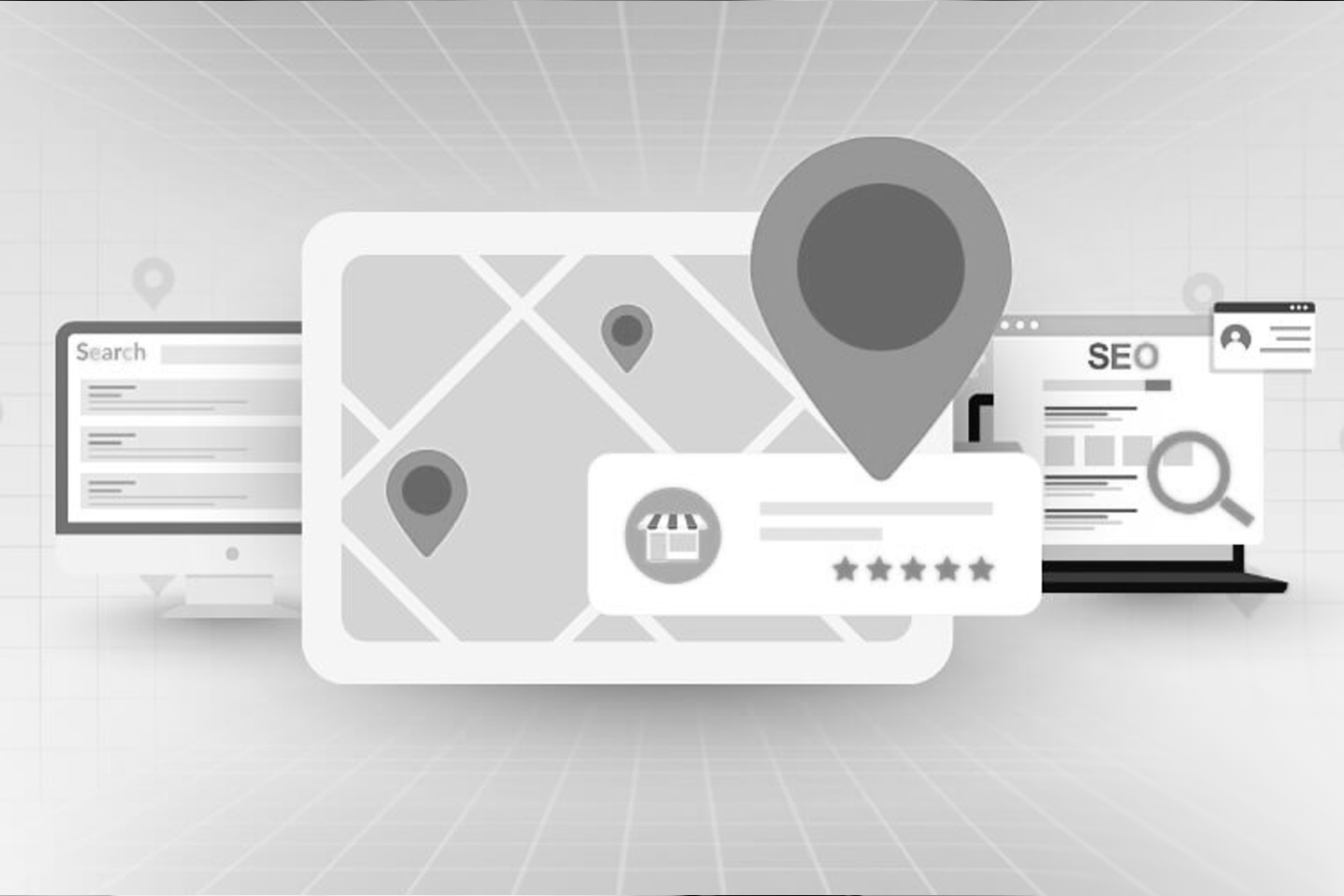
Your Google Business Profile is the single highest leverage asset for local lead generation in 2026. According to Search Engine Journal, over 76% of people who search for a local business on their smartphone visit that business within 24 hours.
The optimization most businesses skip is not the address or phone number. It is the secondary categories, Q and A pre population, and weekly photo cadence. Google’s algorithm rewards active profiles. Treat your GBP like a landing page, not a directory listing.
- Add all relevant secondary categories your competitors are missing
- Upload geo tagged photos from your actual location
- Pre populate the Q and A section with questions your prospects genuinely ask
- Post weekly updates with a soft CTA, just like a social channel
This alone can move you from position four to position one in the local pack within weeks.
H3: 2. Hyper Local SEO With Neighbourhood Level Content (Fast, Compounding)
Most local SEO targets city level keywords. “Web design agency in Bengaluru.” Fine. But the real speed play in 2026 is neighbourhood level content that captures ultra specific, high intent searches before your competitors even realize the opportunity exists.
Ahrefs data consistently shows that long tail local keywords, think “e-commerce website designer in Koramangala” or “brand identity studio near Indiranagar,” have dramatically lower keyword difficulty with buyer level intent. These are not browsers. These are buyers.
Build a dedicated landing page for each micro locality you serve. Each page should load under two seconds (per web.dev’s Core Web Vitals benchmarks), contain genuine locality signals, and feature a single, frictionless contact form.
H3: 3. Referral Architecture, Not Referral Luck (Fast With Upfront Setup)
Most businesses wait for referrals. Smart businesses engineer them.
This is where the Principle of Reciprocity from behavioral economics, documented extensively at BehavioralEconomics.com, becomes a tactical weapon. When you give something of genuine value first, prospects and existing clients feel a natural psychological pull to reciprocate. A free audit, a competitor analysis, a resource guide tailored to their industry.
Structure your referral system with clear incentives, frictionless sharing mechanics, and a thank you loop that makes referrers feel seen. This is not bribery. It is human psychology being respected, not ignored.
H3: 4. Retargeting Local Visitors (Fast, Often Ignored by Small Businesses)
If someone has visited your website from a local IP in the last 30 days, they already know you exist. Retargeting them with a specific local offer on Meta or Google Display is dramatically cheaper than cold acquisition.
According to CXL research, retargeting ads can deliver up to 70% higher conversion rates compared to cold audience campaigns. Yet most local businesses run retargeting as an afterthought rather than a primary channel.
Set up a local radius retargeting campaign tomorrow. Keep the creative simple. Lead with a specific, time sensitive offer. Reference the city or service area in the ad copy. This channel has a week or less to first conversion in most local service categories.
The Von Restorff Effect: Why Your Brand Needs to Be the Weird One
Here is a principle you can steal from cognitive psychology and deploy immediately.
The Von Restorff Effect, also called the isolation effect, states that an item that stands out from its peers is more likely to be remembered. In a sea of local businesses all using the same navy blue palettes, stock photography, and generic taglines, the business that looks and sounds different gets remembered, and remembered businesses get called first.
This is not about being loud. It is about being distinct. According to Behance case studies and UX Collective analyses, brands with strong visual differentiation generate 23% more direct branded searches over time. Direct branded searches are the warmest local leads in existence.
Invest in a brand identity that makes your business the one people remember when they are ready to buy. The fastest lead is the one that comes looking for you by name.
The GEO Play: Being Cited by AI Search Engines
In 2026, a meaningful percentage of local queries are being answered directly by AI search engines like Google’s Search Generative Experience and Perplexity. These engines do not just rank pages. They cite authoritative sources and surface answers inline.
To be cited, your content needs to be structured for extraction. This means:
- Clear factual claims with specific numbers and attributions
- FAQ sections that directly mirror how people ask questions locally
- Schema markup, specifically LocalBusiness, FAQPage, and Service schemas
- Content that demonstrates topical authority, not just keyword presence
Chief Martec and Gartner both point to AI driven search as one of the defining shifts in digital discovery over the next three years. Businesses that structure their content for AI citation today will capture compounding visibility as these engines grow in adoption.
This is early mover advantage. Most local businesses have not heard of GEO. That is your window.
What Speed Actually Requires
Let us pull this together.
Generating local leads fast is not about doing more things. It is about doing the right things on the right timeline with ruthless prioritization. The businesses winning in local search right now are not outspending their competitors. They are outthinking them.
They reduce cognitive load on their landing pages. They engineer referral systems instead of hoping for them. They make their brand impossible to forget through visual distinction. They structure content for AI citation. And they respond to every inbound lead within minutes, not hours.
Speed in lead generation is mostly a design and systems problem, not a budget problem.
One More Thing Before You Go
If you read this and thought “we are leaving real revenue on the table,” you are probably right.
The Webifii team runs Digital Design and Development Audits specifically for businesses that are serious about closing those gaps. Not a sales pitch disguised as advice. An actual audit of where your current digital presence is losing leads and what it would take to fix it.
If that sounds useful, you know where to find us.
Webifii is a premium digital agency specializing in high end Design and Development. This article reflects original strategic analysis grounded in research from Nielsen Norman Group, HubSpot Research, Ahrefs, CXL, BehavioralEconomics.com, and Gartner.